 ultimate-guide
Caring for Historic Stone Home Exteriors: A Complete Guide
Table of Contents
- Why Historic Stone Exteriors Demand Different Care
- Understanding Your Historic Stone: Types and Vulnerabilities
- Cleaning Historic Stone Walls Without Damage
- Preventing Moisture Damage to Stone Walls
- Historic Stone Mortar Repair and Repointing
- Historic Home Exterior Maintenance Checklist
- Protecting Original Materials and Architectural Character
- Conclusion
- Frequently Asked Questions
Last Updated: October 5, 2026
Why Historic Stone Exteriors Demand Different Care
Historic stone home exteriors require different maintenance than modern materials. Stone that has stood a century or more has reached a delicate equilibrium with its environment, and aggressive cleaning or incompatible repairs can cause irreversible damage in hours.
Stone appears durable, so homeowners treat it like concrete or vinyl siding. But historic stone is porous, vulnerable to water infiltration, and sensitive to chemical exposure. The strategy: protect it from moisture, clean gently, and repair with compatible materials.
Prevention is far cheaper than restoration.
This guide covers how to keep historic stone home exteriors sound: identifying your stone type, safe cleaning methods, moisture management, and when to hire a preservation specialist.
Understanding Your Historic Stone: Types and Vulnerabilities
Historic buildings typically contain three stone types, each with distinct vulnerabilities. Knowing which you have is the first step toward proper maintenance.
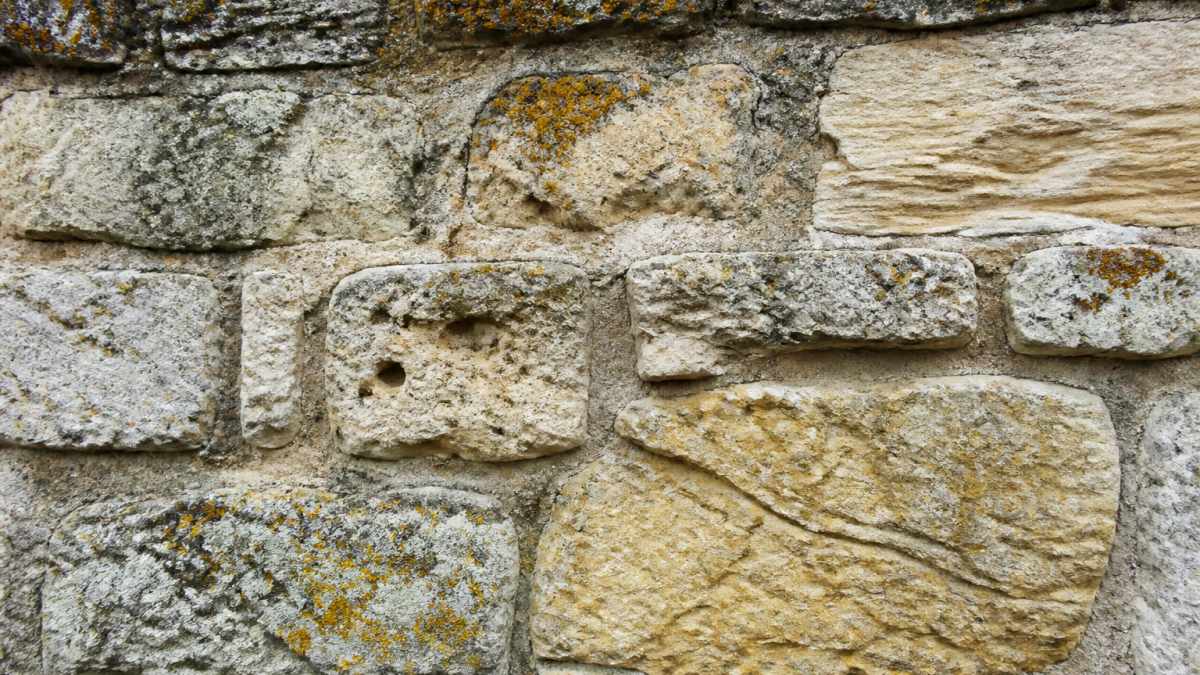
Limestone is the most common historic stone in many regions. Softer than granite and more porous than sandstone, it dissolves slowly in acidic conditions, making acid-based cleaners catastrophic.
Sandstone has moderate porosity and hardness, more durable than limestone but less dense than granite.
Granite is the hardest and least porous of the three, resisting chemical attack better than limestone or sandstone.
Water infiltration is the primary driver of stone failure. Water entering the stone's pores freezes, expands, and creates internal stress; repeated freeze-thaw cycles widen microscopic fractures into visible damage.
Mortar failure precedes stone failure in most cases.
Cleaning Historic Stone Walls Without Damage
Cleaning historic stone requires a different mindset than cleaning modern surfaces.
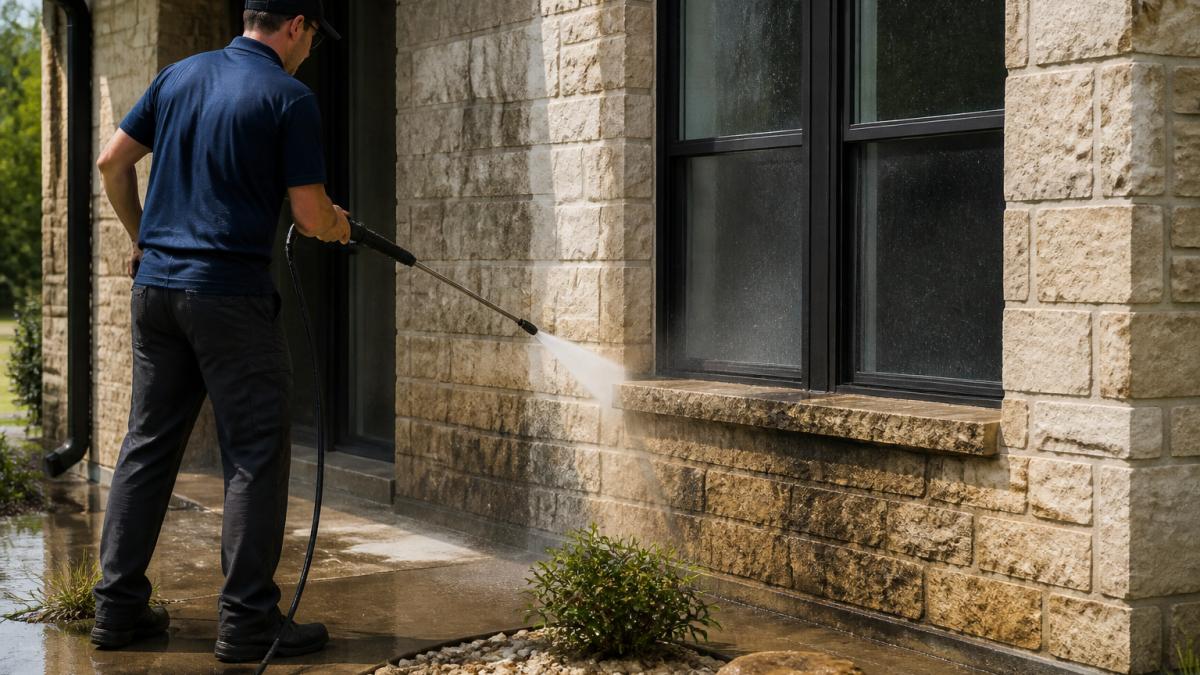
Why pressure washing is off the table for historic stone: pressure forces water and contaminants deep into the pores.
The damage often isn't visible immediately. The stone looks clean, then weeks or months later spalling begins, hairline cracks widen, and water damage appears inside. By then, reversal is expensive or impossible.
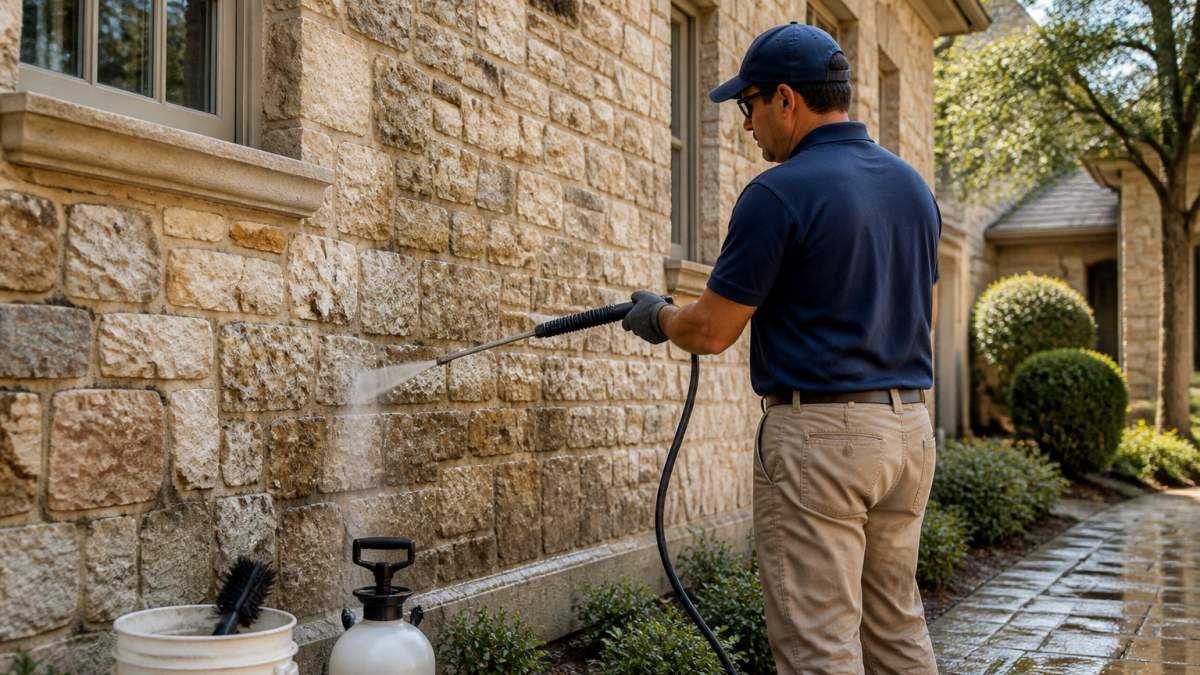
Soft washing and gentle cleaning methods let time and chemistry do the work instead of force.
The process is slower but far safer. The process is slower but far safer, and no water is forced into the masonry.
Choosing the right cleaners for your stone type matters more than pressure level. Limestone and sandstone require alkaline or neutral cleaners; never use acids on them.
EverClean Exterior Cleaning uses soft washing designed for delicate masonry, protecting the stone while removing years of accumulated dirt and biological growth.
Preventing Moisture Damage to Stone Walls
Water is the enemy of historic masonry. Understanding how it infiltrates and damages stone prevents most deterioration.
How water infiltration weakens historic masonry begins at the mortar joints, which are softer and more porous than stone by design.
Freeze-thaw cycles accelerate damage: water in the pores freezes, expands, and widens cracks on thawing, and repeated cycles cause spalling. In humid climates without freeze-thaw, moisture promotes biological growth and salt crystallization.
The worst scenario is water trapped inside the wall with no way to evaporate, which happens when impermeable sealers or incompatible mortar block escape. The damage continues invisibly until it's structural.
Drainage, sealing decisions, and moisture management require nuance.
The right approach depends on stone type, climate, and mortar condition:
- For limestone and sandstone in humid climates, avoid impermeable sealers. Instead, focus on keeping water out through proper maintenance of mortar joints and roof gutters.
- For granite, which is naturally less porous, a breathable sealer can help, but it's not always necessary.
- The mortar is more important than the stone itself. Well-maintained mortar joints prevent water from entering the wall cavity in the first place.
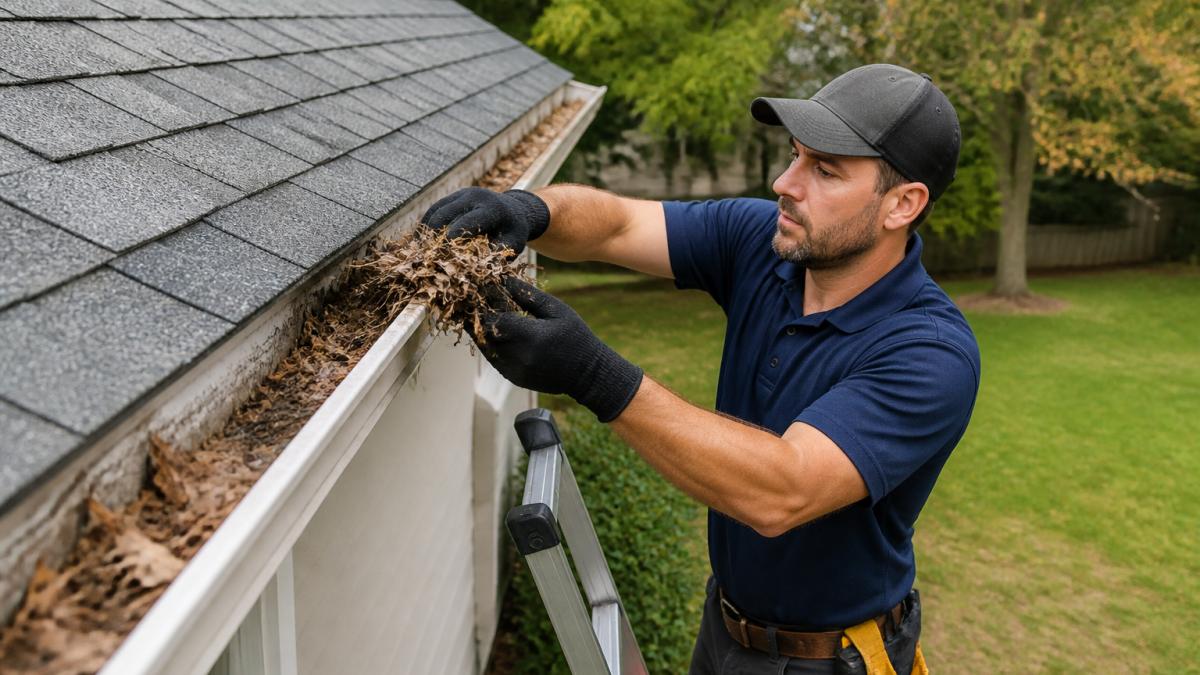
Gutters and downspouts are your first line of defense: water that doesn't hit the stone doesn't infiltrate it. Keep gutters clean and flowing, and direct downspouts at least 4-6 feet from the foundation.
Grading matters too. If the ground slopes toward the house, water runs toward the stone; proper grading slopes away from the foundation.
Historic Stone Mortar Repair and Repointing
Mortar failure is the most common cause of historic masonry deterioration.
Assessing when mortar joints need attention starts with visual inspection. Look for mortar that is crumbling, missing, or significantly recessed compared to the stone face.
A simple test: probe the mortar with a cold chisel and light hammer. If it crumbles easily, it's failed; if it's solid and resists, it's sound.
Timing matters: repoint before water infiltration becomes severe. Once water is inside causing spalling or interior damage, repairs are far more complex and expensive.
Matching mortar composition and color is critical and often overlooked.
Match the original mortar's composition, typically lime-based rather than Portland cement.
Color matching is equally important; mismatched mortar is visually jarring and signals to inspectors or buyers that the work was done incorrectly.
This is where a preservation specialist is worth the cost: incorrect repointing is worse than none, and the damage persists for decades.
Historic Home Exterior Maintenance Checklist
Preventive maintenance catches problems before they become expensive repairs. A structured schedule protects your historic stone home exteriors and maintains property value.
Monthly and seasonal inspection tasks take minutes but give early warning of developing problems:
- After heavy rain, inspect the interior for water stains or dampness, particularly in corners and along the foundation.
- Check gutters and downspouts for debris; clean them if needed.
- Look for new cracks in mortar joints or spalling on the stone surface.
- In spring and fall, inspect the roof for missing or damaged shingles that could allow water into the walls.
- In winter, monitor areas where snow and ice accumulate; these experience more freeze-thaw cycles and deteriorate faster.
Annual deep-maintenance schedule should include:
| Task | Frequency | Priority | Notes |
|---|---|---|---|
| Full exterior inspection | Annually | High | Look for new cracks, spalling, mortar failure |
| Gutter cleaning and inspection | 2x per year (spring, fall) | High | Prevents water overflow onto stone |
| Downspout flow test | Annually | Medium | Ensure water drains away from foundation |
| Grading and drainage check | Annually | Medium | Verify water slopes away from house |
| Soft washing (if needed) | Every 3-5 years | Low | Remove biological growth and dirt buildup |
| Mortar joint assessment | Every 3-5 years | High | Identify joints needing repointing |
| Roof inspection | Annually | High | Prevent water entry at roof/wall junction |
When to call a preservation specialist rather than a general contractor is crucial. Specialists understand historic materials and appropriate repair methods; general contractors often default to modern techniques that damage historic stone.
Call a preservation specialist for:
- Repointing mortar joints
- Spalling or significant stone damage
- Water infiltration problems that aren't solved by gutter maintenance
- Assessing whether sealing or other treatments are appropriate
- Any work on a property with historic designation or landmark status
A specialist costs more, but the work is done correctly and protects your investment. Incorrect repairs can cost far more to fix later.
Protecting Original Materials and Architectural Character
Historic stone home exteriors have value because they retain original materials and architectural character. Repairs should preserve those qualities, not replace them with modern substitutes.
Avoiding incompatible repairs and replacements is the most important principle. When stone is damaged, the instinct is to replace it or patch it with concrete or modern sealers.
For small areas of spalling, repair rather than replace.
For larger damage, replacement stone should match the original in type, color, texture, and grain orientation. That's expensive and slow, which is why prevention through proper maintenance is far more cost-effective.
Modern sealers and coatings often trap moisture inside the stone and accelerate deterioration. The assumption that sealing protects stone is frequently wrong for historic masonry: breathability matters more than waterproofing.
Historic designation, permits, and preservation standards govern repairs to a designated historic property.
Before any significant repair or cleaning, check whether your property is designated.
Even without formal designation, following preservation standards protects your property's value and ensures correct repairs. The Secretary of the Interior's Standards for the Treatment of Historic Properties define appropriate methods for historic buildings (The Secretary of the Interior's Standards for the Treatment of Historic Properties).
Conclusion
Historic stone home exteriors require patience, knowledge, and preservation over replacement. The stone has survived a century or more because it's fundamentally sound; your job is to protect it from water, avoid incompatible repairs, and clean gently when needed.
EverClean Exterior Cleaning specializes in soft washing that safely removes dirt and biological growth from delicate historic masonry without pressure washing or harsh chemicals. Our background-checked, uniformed technicians understand the difference between cleaning modern surfaces and caring for historic stone. We offer honest, upfront pricing and a 48-hour satisfaction guarantee, so you can trust that your home is in capable hands. Get a free estimate and let us show you how proper maintenance protects your historic home's character and value.
Frequently Asked Questions
Can you pressure wash historic stone?
No. Pressure washing forces water deep into porous historic stone, causing internal damage, mortar erosion, and salt efflorescence that may not appear for months. High-pressure streams also strip away original surface patina and can fracture brittle materials like limestone and sandstone. Soft washing, low-pressure water combined with gentle cleaning solutions, is the safe alternative for historic stone exteriors.
What is the safest way to remove stains from old stone?
Start with water and a soft-bristled brush; many surface stains rinse away without chemicals. For stubborn marks, use pH-neutral, masonry-safe cleaners formulated for historic stone, avoid acidic or alkaline solutions that etch surfaces. Test any cleaner on a hidden area first. Soft washing equipment delivers cleaner at low pressure, preventing damage. If stains persist, consult a preservation specialist rather than escalating to aggressive methods.
How can you tell if historic stone mortar needs repair?
Look for recessed or missing mortar joints, cracks wider than 1/4 inch, mortar that crumbles when scratched, or water staining below joints. Gently probe joints with a flathead screwdriver; soft or hollow mortar signals deterioration. Failing mortar allows water infiltration, which weakens the entire wall assembly. Have a professional assess mortar condition during annual inspections; repointing with compatible mortar composition prevents larger structural problems.
How often should a historic stone exterior be inspected?
Conduct a visual inspection monthly, looking for new cracks, mortar gaps, or water stains. Schedule a professional inspection annually, ideally in spring to catch winter damage. After severe weather, inspect for fresh damage. Establish a maintenance checklist covering roof condition, drainage systems, window seals, and foundation moisture. Early detection of deterioration prevents expensive repairs and preserves the historic character of your stone home.
How do you prevent water damage to a historic stone home?
Ensure gutters and downspouts direct water at least 4-6 feet from the foundation. Keep mortar joints intact through regular repointing. Maintain proper grading so water slopes away from walls. Avoid sealing stone indiscriminately; some historic materials benefit from breathability. Inspect windows, doors, and roof regularly for leaks. Address interior moisture through proper ventilation. Work with preservation specialists on moisture management; incorrect solutions can trap water inside walls, causing hidden damage.
What makes soft washing better than pressure washing for historic stone?
Soft washing uses low-pressure water (typically under 500 PSI) combined with biodegradable cleaning solutions, removing dirt and biological growth without forcing water into pores or eroding mortar. Pressure washing exceeds 3000 PSI, causing internal fractures, mortar loss, and long-term deterioration. Soft washing preserves the integrity of original materials while delivering clean results that last longer because it addresses root causes, algae and mold, rather than just surface dirt.
Should historic stone be sealed?
Not always. Many historic stones were never sealed and have aged well without it. Sealing can trap moisture inside, causing internal damage and salt crystallization. If sealing is necessary for a specific problem, use breathable, reversible products tested on your stone type. Consult a preservation specialist before sealing; improper sealers can darken stone, change appearance, and create long-term problems. Focus first on proper drainage and maintenance rather than sealing.